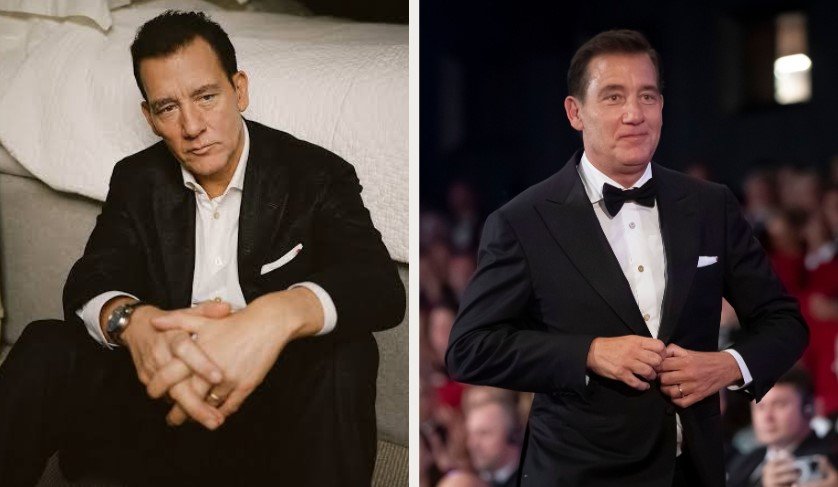
Clive Owen has built an impressive acting career through powerful performances in British television, independent films, and major Hollywood productions. Known for his understated screen presence and intense portrayals, the English actor has earned recognition on both sides of the Atlantic. Interest in Clive Owen net worth reflects his decades of work across cinema, television, and theatre, including roles in commercially successful films. From his breakthrough in the British drama Chancer to acclaimed performances in Closer, Children of Men, and Croupier, Owen has consistently chosen challenging projects.
His career also includes prestigious award nominations and collaborations with respected directors and fellow performers. Although estimates of his personal fortune circulate online, a verified current net worth has not been publicly established through authoritative financial disclosures. This profile examines his career, major earnings opportunities, professional achievements, and the factors that have contributed to his financial reputation.
Quick Bio
| Detail | Information |
|---|---|
| Full Name | Clive Owen |
| Profession | Actor |
| Birth Date | October 3, 1964 |
| Birthplace | Coventry, Warwickshire, England |
| Nationality | British |
| Known For | Closer, Children of Men, Croupier, King Arthur |
| Education | Royal Academy of Dramatic Art (RADA) |
| Spouse | Sarah-Jane Fenton |
| Children | Two daughters |
| Estimated Net Worth | No authoritative, verified figure publicly available |
| Active Profession | Film, television, and theatre acting |
Who Is Clive Owen?
Clive Owen is an English actor who established himself through a combination of British television work, independent cinema, and international film productions. Rather than relying on a single blockbuster franchise, he developed a career around psychologically complex characters, crime dramas, historical stories, and literary adaptations.
His performances often feature controlled intensity and a restrained style that allows tension to build without excessive dialogue or theatrical gestures. These qualities helped him move from British productions into prominent Hollywood roles while maintaining a reputation for selecting varied material.
Owen’s financial story is closely connected to the consistency of his acting career. Film salaries, television contracts, theatre engagements, and professional opportunities can all contribute to an established actor’s earnings. However, his actual contracts, investment portfolio, property holdings, and annual income are not comprehensively available to the public.
Clive Owen Net Worth: What Is Known About His Wealth?
Clive Owen net worth is difficult to establish precisely because he has not publicly confirmed a comprehensive personal wealth figure. Celebrity wealth estimates often appear online, but they may rely on assumptions about acting fees, property values, past earnings, and expenses rather than verified financial records.
For that reason, assigning Owen an exact net worth would create a level of certainty that the available evidence does not support. His long career and leading roles suggest substantial professional earning opportunities, but career success alone cannot establish his current assets or liabilities.
It is also important to distinguish gross earnings from personal wealth. An actor may receive significant compensation for a film while paying representation fees, taxes, living expenses, and other professional costs. Any investments or private financial commitments can further affect the final amount.
The most responsible conclusion is that Owen has enjoyed a substantial professional career, but his current net worth remains unverified in authoritative public sources.
How Clive Owen Built His Acting Career
Owen’s career developed gradually, beginning with formal training and British stage work before expanding into television and film. This foundation gave him experience with demanding roles and helped establish the credibility that later supported his international success.
His early work allowed casting directors and audiences to recognize his ability to portray complicated characters. As opportunities expanded, he moved between smaller productions and larger commercial projects rather than limiting himself to one genre.
That range matters when considering his earning potential. Actors who work across different formats can pursue opportunities throughout changing production cycles, although individual contracts and the frequency of employment determine how much they ultimately earn.
Early Life and Training at RADA
Born in Coventry, England, Clive Owen developed an interest in acting before beginning his professional career. He studied at the Royal Academy of Dramatic Art, one of Britain’s established drama schools, where he received formal training in performance.
After graduating, Owen worked in theatre and gradually entered television. These early professional experiences helped him develop the screen presence that became a defining feature of his later performances.
Drama training does not guarantee financial success, but it can provide an important foundation for a sustainable career. For Owen, stage experience and early screen appearances helped him establish a professional identity before international recognition arrived.
The British Television Breakthrough
Owen gained wider recognition through British television, including the series Chancer, which aired from 1990 to 1991. The production helped introduce him to a larger audience and gave him valuable experience in a leading television role.
Television can provide actors with sustained employment and greater visibility, particularly when a series attracts a loyal audience. For Owen, this stage of his career helped bridge the gap between theatre work and more prominent film opportunities.
His subsequent projects continued to expand his range. Rather than becoming associated exclusively with television, he used these roles as part of a broader career that eventually reached international audiences.
Why Croupier Changed His Career
The 1998 film Croupier became a turning point for Owen. He played Jack Manfred, a struggling writer who takes a job at a casino and becomes entangled in its dangerous environment. The film combined crime, ambition, and moral uncertainty, giving Owen an opportunity to demonstrate the subtlety of his acting.
Although the movie did not immediately become a major commercial success everywhere, it attracted considerable attention from critics and audiences outside Britain. Its growing reputation helped Owen gain international recognition and opened the door to more prominent film roles.
From a financial perspective, Croupier illustrates how a relatively modest production can influence an actor’s long-term career. Recognition from a successful performance can improve future casting opportunities and bargaining power, even when the original project does not generate blockbuster-level revenue.
The Impact of Closer on His Reputation
Owen reached another important milestone with Closer, first performing in the original stage production before reprising the role of Larry in the 2004 film adaptation directed by Mike Nichols. He appeared alongside Julia Roberts, Natalie Portman, and Jude Law.
His performance earned him a Golden Globe Award and a BAFTA Award for Best Supporting Actor, along with an Academy Award nomination in the same category. These achievements strengthened his reputation as a serious dramatic performer.
The recognition surrounding Closer increased his standing in the international film industry. Awards do not automatically reveal an actor’s salary, but critical acclaim can improve access to leading roles, high-profile productions, and better professional opportunities.
Major Hollywood Films and Commercial Opportunities
Following his growing recognition, Owen appeared in a series of prominent productions. His credits include The Bourne Identity, King Arthur, Sin City, Inside Man, Children of Men, and The International.
These films demonstrate his ability to work across action, science fiction, crime, historical drama, and psychological storytelling. His performances alongside established stars also strengthened his position in the international entertainment market.
Several of these productions reached broad audiences, exposing Owen to viewers who might not have followed his earlier British work. While publicly available box-office results can show a film’s commercial performance, they cannot establish how much an individual actor earned. Compensation depends on contract terms, billing, production budgets, and other arrangements that are not always disclosed.
How Children of Men Strengthened His Legacy
Alfonso Cuarón’s Children of Men remains one of Owen’s most widely discussed performances. Released in 2006, the dystopian science-fiction film follows Theo Faron, a disillusioned man navigating a society facing human infertility and political instability.
Owen’s restrained portrayal helped give the story its emotional weight. The film received strong critical recognition and developed a lasting reputation for its cinematography, long takes, and unsettling depiction of a possible future.
Although its significance extends beyond financial performance, Children of Men helped reinforce Owen’s credibility in ambitious, director-led projects. This distinction is important to his career: his professional standing rests not only on commercial productions but also on films that continue to attract critical discussion.
Television Roles and Long-Term Earning Potential
Owen has also maintained a substantial presence on television. One of his most notable roles was Dr. John W. Thackery in The Knick, a period medical drama directed by Steven Soderbergh. The series ran from 2014 to 2015 and received considerable critical attention.
His portrayal earned him a Golden Globe nomination for Best Actor in a Television Series – Drama. The role demonstrated his ability to carry a complex character through an extended narrative rather than relying solely on feature films.
Owen later portrayed Ernest Hemingway in Hemingway & Gellhorn and President Bill Clinton in Impeachment: American Crime Story. He also appeared in Lisey’s Story, A Murder at the End of the World, and Monsieur Spade.
Television projects can offer actors different financial arrangements from films, including episode-based compensation and, in some cases, producing fees. However, Owen’s individual payments and contractual arrangements remain private.
Producing Work Beyond Acting
Owen’s professional activities have also included producing responsibilities. His credits include executive-producing work associated with The Boys Are Back and The Knick.
Producing allows performers to participate in projects beyond their on-screen roles. Depending on the agreement, a producer may receive a separate fee or other compensation, although such terms vary considerably between productions.
It would be inaccurate to assume that these credits automatically translate into substantial additional wealth. The financial value of producing work depends on contractual terms, production performance, and the responsibilities involved. Nevertheless, these roles show that Owen’s professional experience extends beyond acting alone.
Awards, Recognition, and Career Value
Awards have played an important role in establishing Owen’s reputation. His major achievements include:
- Golden Globe Award: Best Supporting Actor in a Motion Picture for Closer.
- BAFTA Award: Best Actor in a Supporting Role for Closer.
- Academy Award nomination: Best Supporting Actor for Closer.
- Golden Globe nomination: Best Actor in a Television Series – Drama for The Knick.
- Primetime Emmy nomination: Outstanding Lead Actor in a Miniseries or a Movie for Hemingway & Gellhorn.
These distinctions reflect professional recognition rather than direct financial measurements. Their potential economic value comes from how awards can strengthen an actor’s reputation, attract directors and producers, and support future negotiations.
Owen’s career shows that sustained recognition can be valuable even without constant blockbuster appearances. His standing comes from a mixture of acclaimed performances, varied roles, and continued work across film and television.
Clive Owen’s Family and Personal Life
Owen is married to actress Sarah-Jane Fenton. The couple met while working in theatre and married in 1995. They have two daughters and have generally kept their family life away from intense public scrutiny.
His preference for privacy means that detailed information about his household finances, personal investments, and day-to-day family arrangements is not readily available. This limited disclosure should not be interpreted as evidence of any particular financial situation.
Maintaining a distinction between public career information and private family matters is especially important when discussing celebrity wealth. Public appearances and professional credits provide useful context, but they do not reveal the complete picture of a person’s finances.
What Is Known About His Lifestyle and Assets?
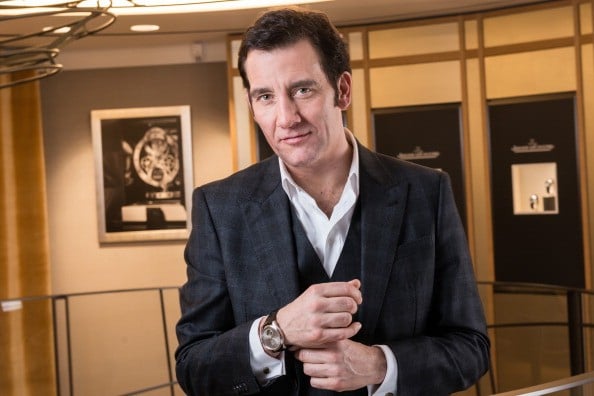
Clive Owen’s public image is closely associated with his acting work rather than a highly publicized luxury lifestyle. However, limited information about his personal spending makes it difficult to draw reliable conclusions about his assets or financial habits.
A credible assessment of personal wealth would need to consider multiple factors, including accumulated earnings, taxes, agent and management fees, property holdings, investments, debts, and other obligations. Most of these details are not publicly available in a complete, verified form.
Online celebrity net worth estimates may offer a rough indication of public interest, but they should not be treated as audited financial statements. Without reliable documentation, claims about specific homes, investments, or luxury purchases should not be used to calculate Owen’s fortune.
Clive Owen Net Worth Compared With His Career Achievements
The question of Clive Owen net worth is best understood alongside the length and variety of his professional career. He has worked in British television, independent films, major studio productions, theatre, and acclaimed television dramas over several decades.
This range has provided multiple opportunities to earn income and maintain industry relevance. His award-winning performance in Closer, international recognition from Croupier, and leading role in Children of Men are particularly important milestones in that development.
Still, a successful filmography is not a substitute for financial records. Actors’ earnings differ widely depending on their contracts, screen time, billing, production budgets, and negotiating position. No reliable public figure establishes Owen’s current personal net worth with sufficient certainty.
For readers seeking a precise number, the most accurate answer is that his wealth has not been independently verified through comprehensive public financial information.
What Is Clive Owen Doing Today?
Owen’s career has continued beyond his early breakthrough films, with roles in contemporary television and cinema keeping him connected to the entertainment industry. His work on projects such as Monsieur Spade demonstrates his continued interest in character-driven storytelling.
His career choices have not followed a single formula. He has moved between large productions and smaller projects, historical figures and fictional characters, and film and television formats.
That flexibility remains a defining feature of his professional profile. Although his current financial position is not publicly confirmed, his enduring career offers a clearer, more reliable measure of his professional success than unsupported online wealth estimates.
Conclusion
Clive Owen has built a respected career through a combination of dramatic ability, thoughtful role selection, and performances that have earned international recognition. From Croupier and Closer to Children of Men and The Knick, his work has reached audiences across film, television, and theatre.
These achievements have created opportunities for substantial professional earnings over time, but they do not establish a precise personal fortune. Clive Owen net worth remains unverified in authoritative public sources, and any exact figure presented without reliable financial evidence should be treated cautiously.
Ultimately, Owen’s lasting contribution lies in his performances and the variety of projects he has taken on. His career illustrates how artistic credibility and sustained professional work can build a strong reputation without making private financial details public.
FAQs
What is Clive Owen net worth?
Clive Owen’s exact net worth has not been verified through authoritative public financial disclosures. Although online estimates circulate, they should not be treated as confirmed figures.
How did Clive Owen make his money?
Owen has earned his professional income primarily through acting in films, television productions, and theatre. He has also received producing credits on selected projects, although the financial terms of his work are not publicly established.
What is Clive Owen most famous for?
He is widely recognized for Closer, Croupier, Children of Men, Sin City, and Inside Man. His performance in Closer earned him a Golden Globe and a BAFTA Award, as well as an Academy Award nomination.
Did Clive Owen win an Academy Award?
No. Owen received an Academy Award nomination for Best Supporting Actor for Closer, but he did not win the Oscar. He did win the Golden Globe and BAFTA awards for the performance.
Is Clive Owen still acting?
Owen has continued to work in film and television after his early international success. His later credits include Lisey’s Story, A Murder at the End of the World, and Monsieur Spade.
Is Clive Owen married?
Yes. Owen married actress Sarah-Jane Fenton in 1995. They have two daughters and generally maintain a private family life.
Does Clive Owen have other sources of income besides acting?
His producing credits suggest that his professional work has extended beyond performing. However, details about his investments, business interests, property holdings, and other potential income sources have not been comprehensively verified in public records.
For more information: Digital Scroll